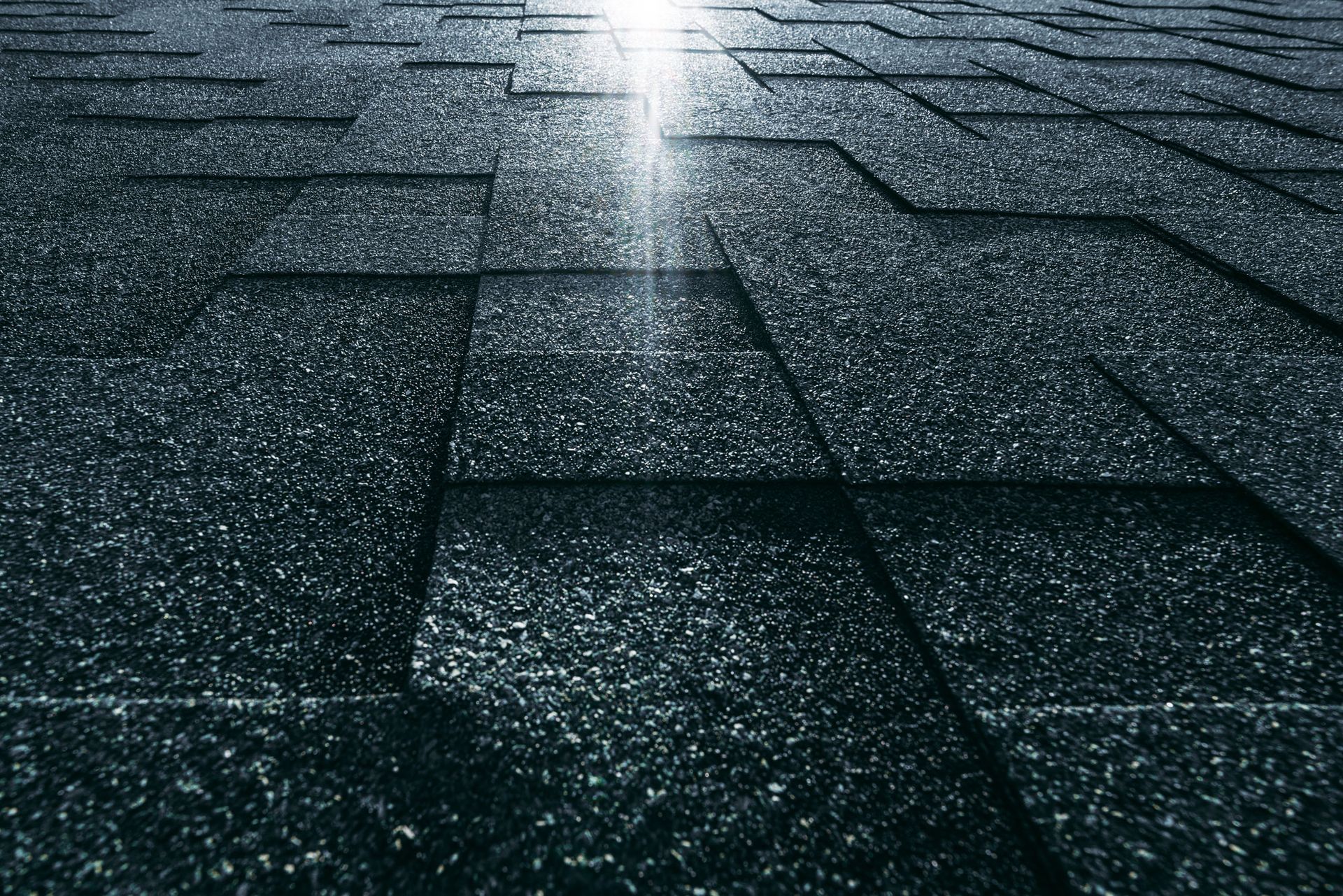
Shingles Built to Last Through Real Use
Asphalt shingle roofing in Barrington for homes with failing, curling, or aging roof surfaces
Barrington's residential neighborhoods include a substantial mix of homes built from the 1960s through the 1990s, many featuring rooflines with complex pitches and multiple dormers that were standard in the colonial and traditional-style construction common to the area. R Celeste Construction, Inc handles asphalt shingle roofing for these properties, where the original roofing materials have often reached or passed their functional lifespan. When shingles begin curling at the edges, lose their granular surface, or develop soft spots that hold moisture against the decking, the damage extends beyond cosmetics into the structural layers below.
Asphalt shingle roofing with R Celeste Construction, Inc covers installation, full replacement, and repair, along with selection from a range of shingle styles and colors designed to match the architectural character of your home. During a roof repair, each missing, cracked, or curling shingle is individually assessed before any work begins, because replacing surface shingles without inspecting the decking underneath often conceals damage that continues to spread. For replacement projects, the old roofing system is removed entirely so the decking condition can be evaluated before new materials go down.
Arrange a roof evaluation to identify whether your current shingles require targeted repair or a full replacement assessment.
What Proper Asphalt Shingle Work Requires
Shingle installation involves more than laying material over existing structure. Proper sequencing starts with drip edge placement at the eaves before underlayment goes down, followed by rake-side drip edge installation over the underlayment—a step that controls how water tracks off the roof edge and one that is frequently skipped on lower-quality jobs. Flashing around chimneys, skylights, and valleys must be set before field shingles are applied, because correcting flashing after shingles are laid requires removing finished work.
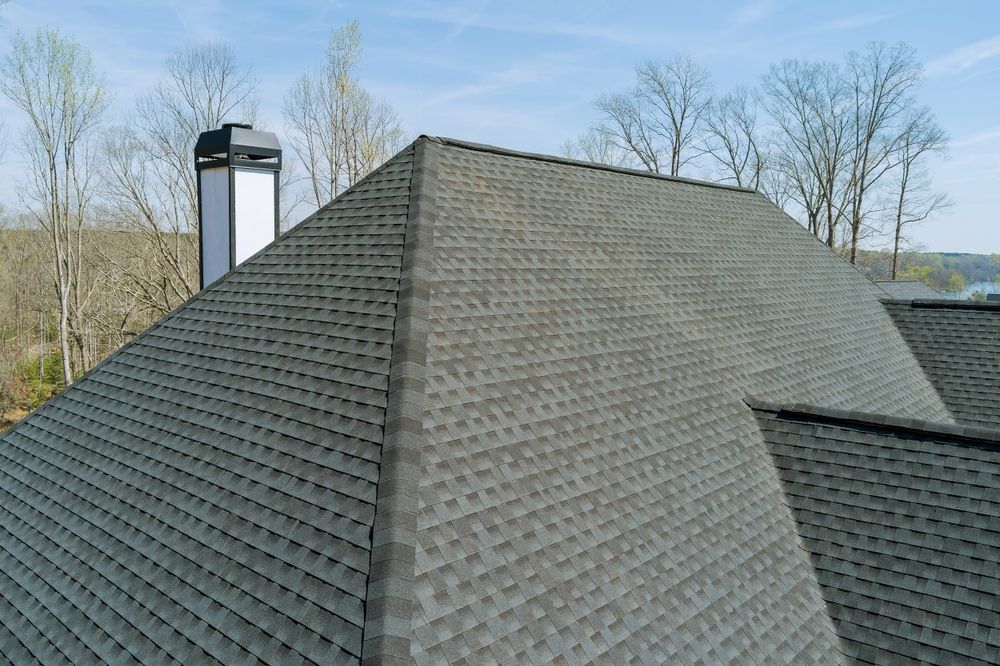
Once the work is finished, you will notice that ridgelines sit flat and uniform, shingle courses align consistently across the field, and no lifting at tabs or exposed nail heads are visible from ground level—these are the indicators of correctly installed shingles, not just aesthetics. Gutters that previously backed up with granule deposits from deteriorating shingles will show a measurable reduction in debris accumulation after new materials are in place.
Shingle selection affects both appearance and performance. Architectural shingles carry more dimensional depth than three-tab styles and are better suited to the steeply pitched rooflines common on traditional-style homes. The color choice is consequential beyond preference, as lighter and darker tones interact differently with attic temperature management depending on insulation depth and ventilation configuration.
Common Questions About This Service
Homeowners considering asphalt shingle roofing often have specific questions about how the work is done and what to expect on site. The answers below address the service itself—materials, process, sequencing, and what finished work looks like.
What is the difference between a roof repair and a full replacement?
A repair addresses discrete areas where shingles are missing, cracked, or lifting and the surrounding decking is structurally sound. A replacement is warranted when shingles have lost granule coverage across large sections, the decking shows widespread moisture damage, or the system is at the end of its material lifespan.
How does shingle selection affect a home with a complex roofline?
Architectural shingles, which have a layered profile, tend to follow varied roofline geometry more cleanly than flat three-tab shingles and are better suited to the multi-pitch configurations found on many Barrington properties built in the 1970s and 1980s.
What happens to the old roofing materials during a replacement?
All existing shingles and underlayment are removed during tear-off, which allows the decking to be inspected before new materials are installed—any damaged or soft sections are identified and addressed at this stage rather than covered over.
Why does flashing matter as much as the shingles themselves?
Flashing seals the transitions between shingles and penetrations like chimneys, vents, and valleys; shingle-level failures most commonly trace back to flashing that was improperly set or has separated, not to the shingles themselves.
What should you look for to confirm shingles were installed correctly?
Uniform course alignment across the field, flat-seated tabs with no lifting edges, consistent exposure measurements from row to row, and properly embedded fasteners that are not visible at the shingle surface are all verifiable indicators of correct installation.
R Celeste Construction, Inc works with homeowners to identify the right scope of work before any project begins—whether that means a targeted repair or a complete system replacement. Request a detailed on-site assessment to review your current roof condition and discuss material options appropriate for your home.