Gutters That Actually Move Water Away
Gutter installation in Barrington for homes with drainage failures, overflows, or aging gutter systems
A gutter system that overflows at the corners, pulls away from the fascia, or channels water directly against the foundation is not performing its core function, and the damage that follows is cumulative and often invisible until it becomes expensive. R Celeste Construction, Inc installs seamless gutter systems in Barrington sized and positioned to handle the actual drainage load of each roof section rather than applied as a standard-dimension product regardless of pitch or square footage. Homes where the roofline includes multiple valleys, dormers, or a large surface area on one elevation require downspout placement calculated to prevent overflow at peak discharge rather than positioned for visual symmetry.
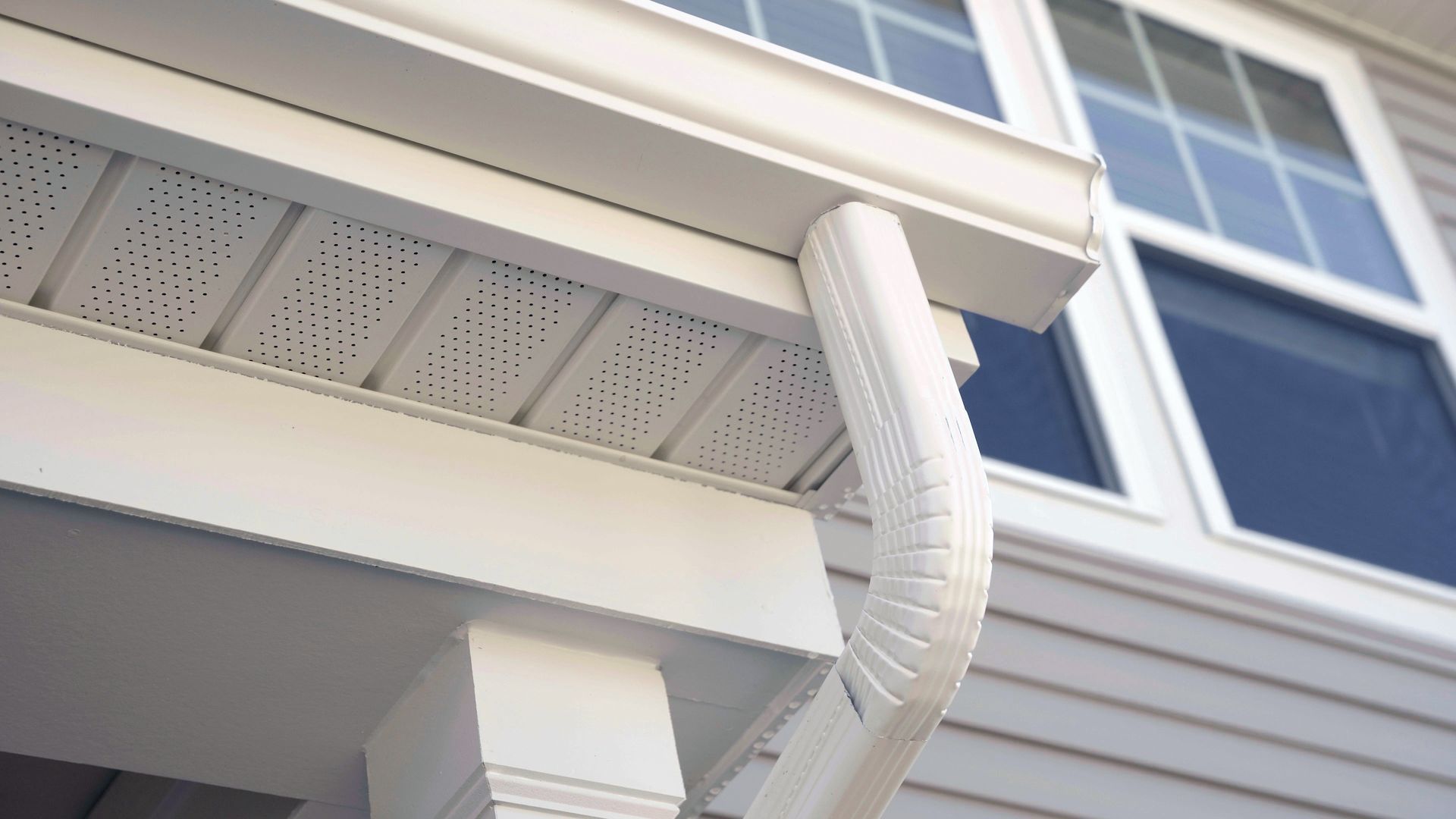
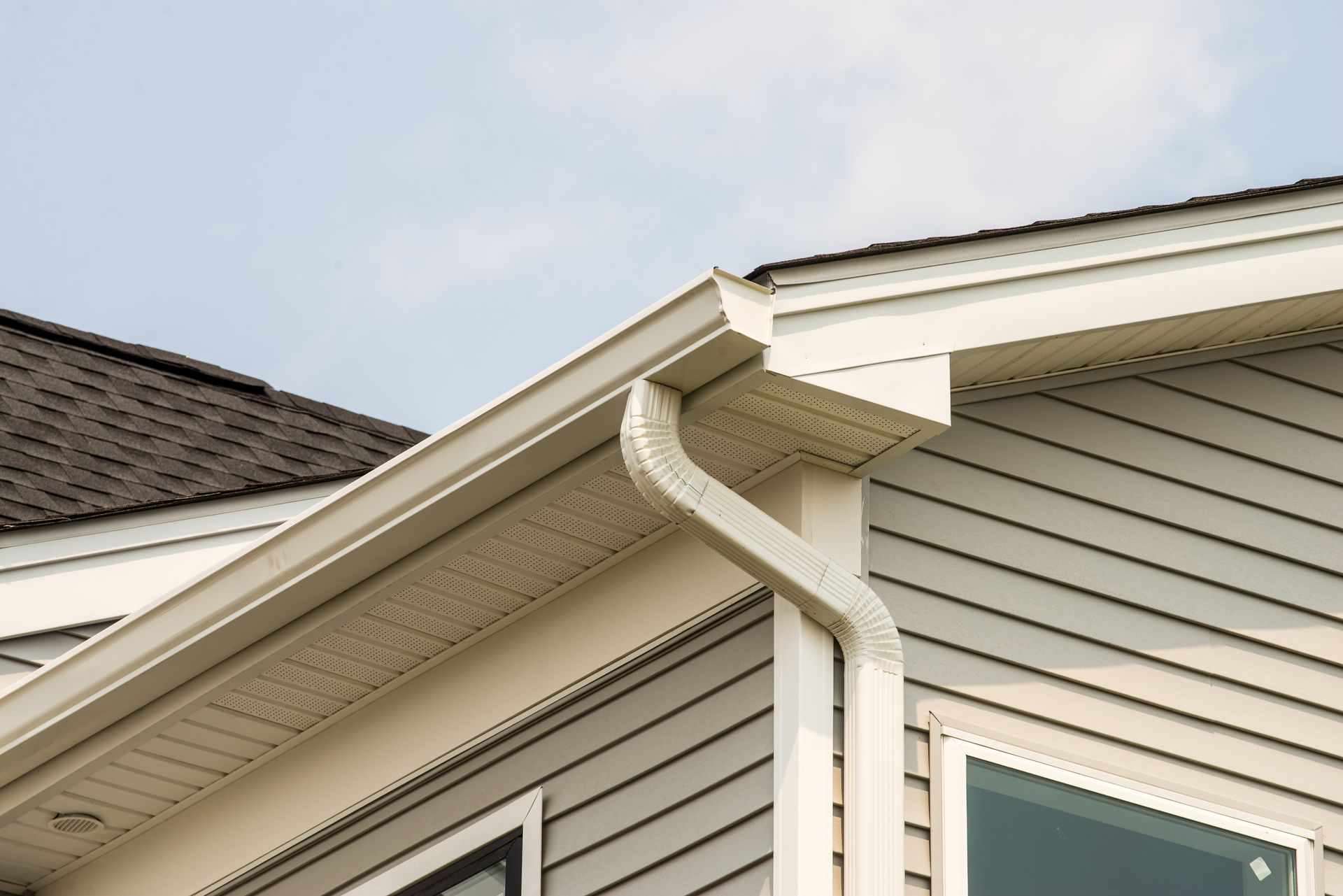
Seamless gutters are fabricated on site from continuous stock cut to the exact length of each run, which eliminates the seamed joints where sectional gutters most commonly separate and leak. The installation process with R Celeste Construction, Inc includes downspout placement designed to carry water away from the foundation perimeter, with discharge points directed away from landscaping beds and paved surfaces where pooling creates long-term erosion. Old, damaged, or improperly pitched gutters are removed before new systems are set, which allows the fascia board condition to be checked before new hardware is attached.
Schedule an on-site review of your current drainage setup to identify where the system is failing and what a properly sized replacement would require.
How Gutter Systems Address Drainage Problems
Gutter performance depends on three variables that interact with each other: the pitch of the gutter run, the size of the gutter profile, and the number and placement of downspouts. A gutter pitched too flat collects standing water and accelerates corrosion; one pitched too steeply drains before it can collect properly from a slow-shedding roof section. The standard five-inch K-style profile handles most residential drainage loads, but homes with large roof planes or steep pitches frequently require six-inch gutters to manage peak discharge without overflow.
After installation, the visible change is straightforward: water runs cleanly along the gutter channel and exits at the downspout discharge point rather than cascading over the front edge or pooling against the fascia. Over one or two rain events, homeowners also notice that erosion channels in landscaping beds below the roofline stop forming, and that basement or crawl space moisture that traced back to foundation saturation from gutter overflow begins to resolve as the drainage path is redirected.
R Celeste Construction, Inc also replaces gutters that have become inefficient due to improper original installation, sag from failed hangers, or joint separation in older sectional systems. The replacement process addresses not just the gutter material itself but the hanger spacing and fascia attachment points, which determine how long the new system maintains proper pitch and position over time.
Answers About How the Work Is Done
These questions address the gutter installation process specifically—how gutters are sized, positioned, and attached, and what to look for once the work is complete.
How is the correct gutter size determined for a specific home?
Gutter sizing is based on roof square footage, pitch, and the length of each run between downspouts; steeper pitches and larger surface areas shed water faster and require larger profiles to handle peak discharge without overflow.
Why are seamless gutters installed differently than sectional systems?
Seamless gutters are formed from a single continuous piece of material cut to the length of each run, which removes the lap joints where sectional gutters most frequently separate and allow water to track behind the fascia.
What determines where downspouts are placed?
Downspouts are positioned based on the natural drainage path of each gutter run, with placement calculated so no section of gutter exceeds its capacity before reaching a discharge point—visual placement along the home's exterior is a secondary consideration.
How do you confirm a gutter is pitched correctly after installation?
A correctly pitched gutter shows no standing water pooling in the channel between rain events; checking with a level along a dry run should show a consistent slope of roughly one-quarter inch per ten feet toward the downspout.
What should be checked on the fascia before new gutters are attached?
Fascia boards on many Barrington homes built in the 1970s and 1980s were installed with wood that has since absorbed moisture behind failed gutters; soft or delaminated sections need to be replaced before new hangers are set, or the attachment will fail prematurely.
R Celeste Construction, Inc provides complete gutter installation and replacement for residential properties, from initial drainage assessment through downspout positioning and final attachment. Contact R Celeste Construction, Inc to discuss the specific drainage conditions on your property and review options for a new gutter system.