A New Roof Starts With Full Removal
Roofing replacement in Barrington for properties with worn, damaged, or structurally compromised roofing systems
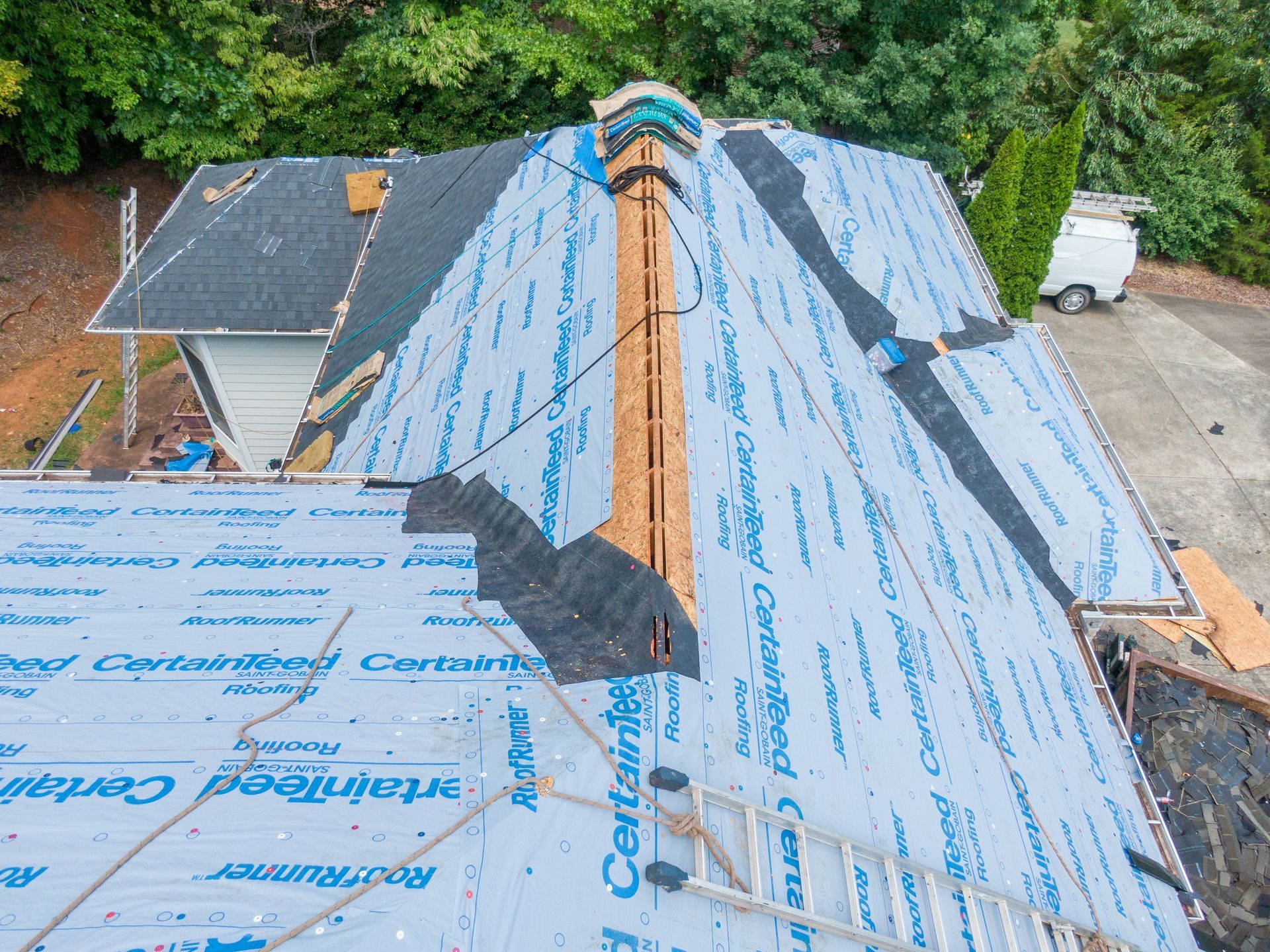
Replacing a roof that has reached the end of its functional life involves a sequence of decisions that begin before a single new shingle is placed. R Celeste Construction, Inc manages full roofing replacement in Barrington, beginning with tear-off of the existing system so the decking can be inspected directly rather than estimated through surface observation alone. This matters most in homes built between the 1960s and 1990s, where original plywood or board decking may have absorbed moisture through years of minor leaks that never surfaced as visible interior damage but have weakened the structural layer the new roof depends on.
The replacement process covers removal of all existing roofing materials down to the deck surface, followed by decking inspection and any required board replacement before new underlayment, flashing, and roofing material are installed. R Celeste Construction, Inc works through roofing material options with each homeowner—including shingle styles, colors, and designs—so the final system matches both the structural requirements of the roofline and the appearance goals for the property. Homes with steep pitches, multiple valleys, or penetrations like chimneys and skylights require additional attention to flashing sequencing, which is set before field materials are applied rather than retrofitted afterward.
Request an on-site assessment to review the current condition of your roofing system and determine the scope of work required for a full replacement.
What Changes After the Replacement Is Complete
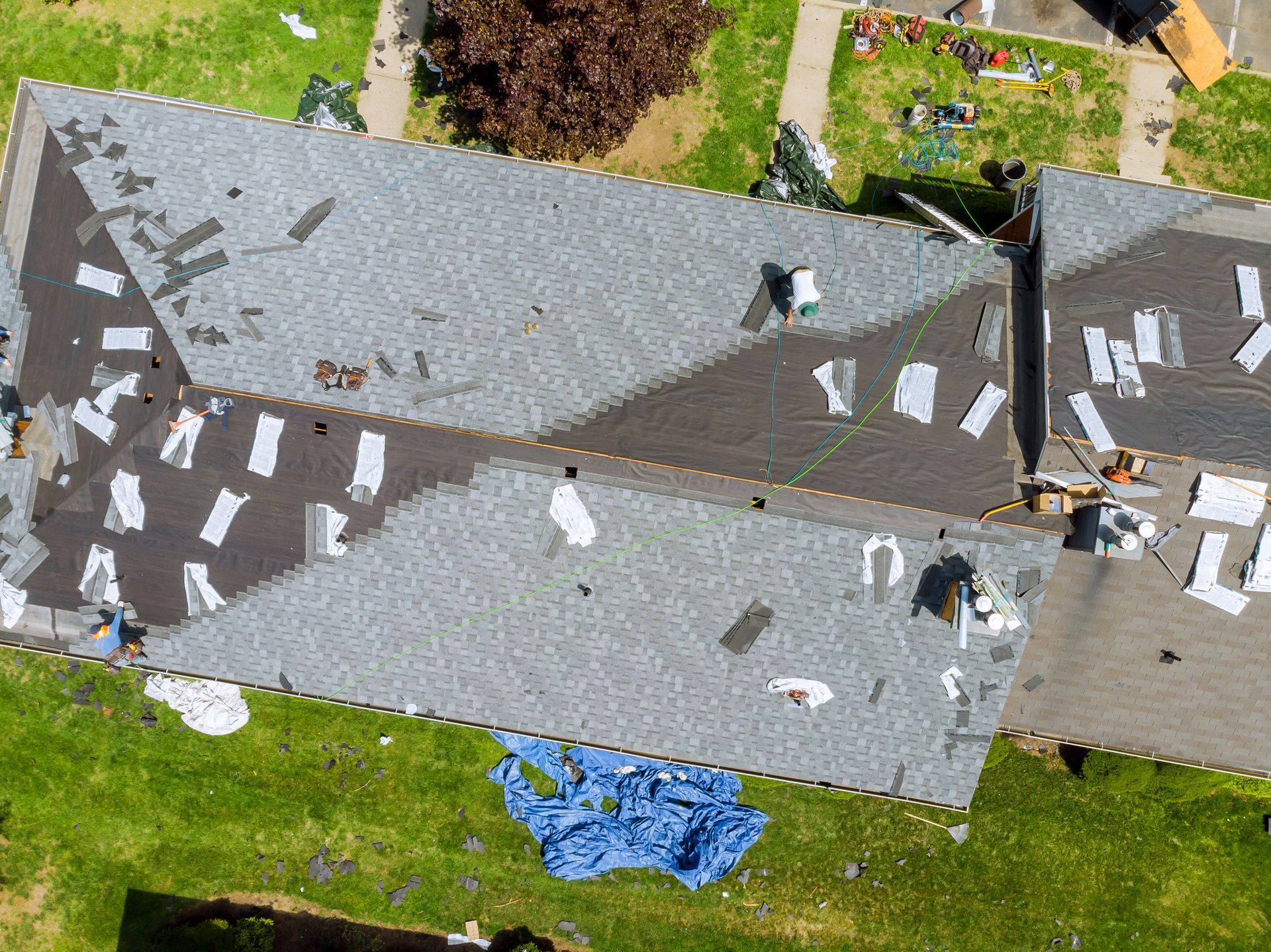
Full roof replacement addresses the entire system rather than individual surface failures. Underlayment is installed across the full deck surface, drip edge is set in proper sequence at eaves and rakes, and all flashing transitions at penetrations and valleys are replaced rather than left in place from the old system. Leaving original flashing under a new roof is one of the most common shortcuts in roofing work, and it typically results in water intrusion at those transitions within a few years of the new installation.
Once the replacement is finished, the most immediate observable change is the uniformity of the roofline—new materials sit flat and consistent without the wavy or uneven profile that develops as aging shingles lose structural integrity. Attic inspections after a properly completed replacement will show clean, dry sheathing at the decking surface and no daylight visible at ridge or eave transitions, both of which confirm that the system is sealed as intended.
Material selection during a replacement also affects long-term performance in ways that are worth understanding before committing to a specific product. Architectural shingles carry a heavier profile than three-tab and are better suited to the varied roofline geometries common in Barrington's established residential neighborhoods. Color selection affects more than appearance—darker tones absorb more radiant energy, which in attic spaces with limited ventilation can increase heat transfer into the living area below.
What Property Owners Ask About the Work
The following questions address the roofing replacement process directly—what happens during tear-off, how material decisions are made, and what finished work looks like from the inside and outside of the home.
Why is full tear-off necessary rather than installing new shingles over the existing layer?
Installing over existing shingles conceals the deck surface, which means any moisture damage, soft spots, or delaminated areas remain in place underneath the new system and continue to deteriorate—full removal is the only way to verify that the structural layer beneath is sound before new materials are attached.
How are flashing decisions made during a replacement?
All existing flashing at chimneys, valleys, skylights, and pipe penetrations is evaluated during tear-off; in most cases, flashing that has been in place through one full roofing cycle shows enough separation or corrosion that replacement is the correct approach rather than reuse.
What decking conditions would require repairs before the new roof is installed?
Soft spots, delamination, and boards that show darkened grain from moisture exposure are the primary indicators; in Barrington homes from the 1970s and earlier, board-and-batten decking may have individual boards that have shifted or rotted at fastener points and need to be replaced with plywood sections before new underlayment is laid.
How do you confirm a completed replacement was installed to standard?
Uniform shingle alignment across the field, properly embedded fasteners below the exposure line, flat-seated ridge cap with no visible gaps, and clean drip edge termination at eaves and rakes are the visible quality markers that can be checked from ground level and at accessible points around the perimeter.
When is roofing material selection decided relative to the start of work?
Material and color selection should be finalized before tear-off begins, since the order for custom-cut or specific-color shingles needs to be placed in advance—waiting until the deck is exposed creates delays and, in certain conditions, leaves the structure uncovered longer than necessary.
R Celeste Construction, Inc handles full roofing replacement from initial assessment through final inspection, with material options selected to fit the specific roofline, property style, and performance requirements of each home. Speak directly with R Celeste Construction, Inc to review your replacement options and schedule an evaluation of your current system.